
Everywhere, Always
Unsinkable Storyteller: Jennifer Elia
This Unsinkable story discusses suicide. We invite our community to read it only if it's the right time for them. If you're struggling, please reach out to the Crisis Text Line or Kids Help Phone.
Sometimes, in this strange alchemy, beauty and truth and courage can and do co-exist alongside our suffering and deep grief. - Kate Bowler, Everything Happens podcast, April 4, 2023
Dear friend, please only read further if you’re ready. This story is about losing a loved one to mental illness, and everyone’s healing journey, including the stories they take in, is deeply personal.
Becoming a suicide loss survivor changed me. In this update to my Unsinkable story published in 2024, I’ll share a bit more about what happened with my dad, and just a few of the lessons from this first phase of my lifelong grief journey.
Lesson 1: Take care to lead with how they lived, not how they died.
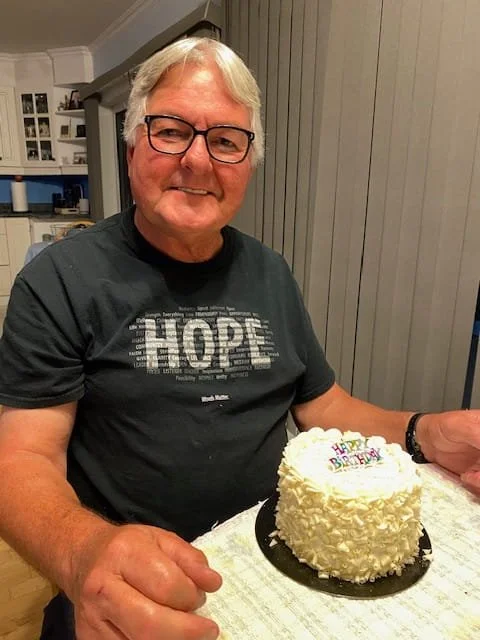
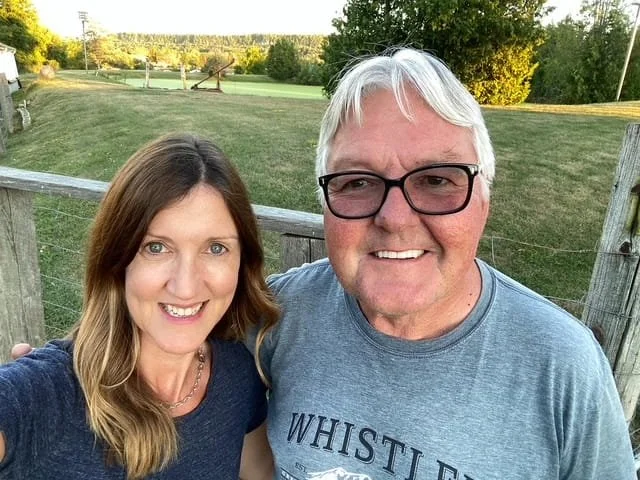
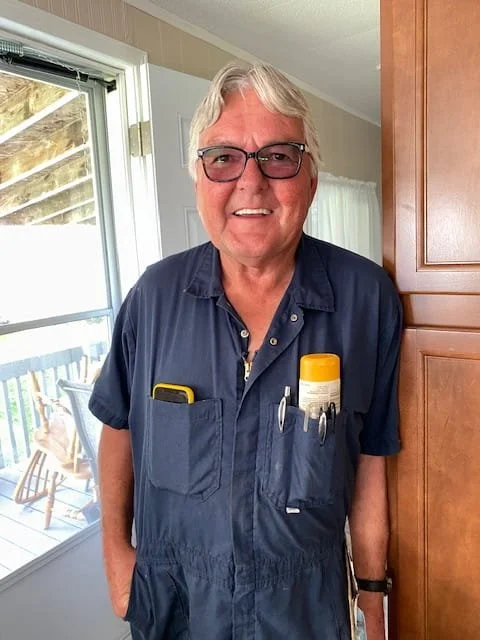
To know Neil was to love him. He was social, curious, well-read, and warm with an easy smile and contagious laugh. Neil always took the time to get to know people, show an interest in their lives, and offer a helping hand. His superpower was his unique ability to make sure his family, friends, and acquaintances felt heard, seen, and cared for. My dad’s affection, wisdom, humour, and love are missed every day. He may be gone, but he’s everywhere, always.
From Hope to Despair
On August 7, 2023, my dear sweet dad ended his life. I’ve been on a deeply painful and personal grief journey, and over time I have come to terms with what it means to be a suicide loss survivor.
Let me start by sharing what happened and how much it shocked our family system. My dad had his first experience with severe depression in 2007. He received in-patient psychiatric treatment, and he got better. It was a scary and sad time, and I remember being on the phone with his doctor who said the goal was to get him back to life and work, which given his despondent state at the time was so reassuring. And that’s exactly what happened, helped along by my mom’s support to make sure the treatment plan helped him fully recover.
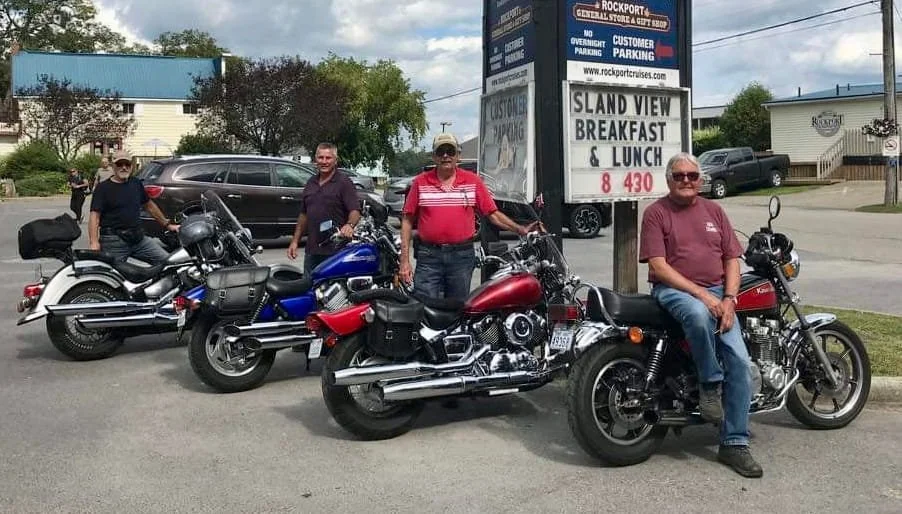
In the years that followed, my dad welcomed two more grandkids, kept working, spent time on his passion projects, trained new truck drivers, and started a little motorcycle club with his cousin Hugh and longtime friends Rod and Gord. They called it OGRES, “Old Guys Riding Every Saturday”.
My dad also became an advocate for mental health, together with my mom, embodying hope and recovery. To this day I am so proud of his vulnerability and authenticity! As a man of his generation from a small town, he was an unlikely pioneer committed to normalizing mental health conversations and encouraging those struggling to get help.
This orientation to hope and recovery stayed with us even into my dad’s relapse of depression in December 2022.
My mom and dad had sold their business, bought an RV, and made plans to spend their first winter in warmer climates with friendship, family, and adventure as their only compass. But it wasn’t to be. Looking back, I can see the incredible strain my dad was under from too many pressures all at once. The bumpy sale of the business, an injury from a bad fall at the cottage, chronic pain from decades of driving, the transition to retirement, and worries about his brother and best friend who wasn’t doing well.
No sooner had my parents started their first RV trip, my dad’s anxiety became too much to bear and he relapsed into a severe, catatonic depression we recognized from his experience more than a decade ago. Because we already knew how to navigate the mental health care system, quick decisions were made and he voluntarily went to in-patient care. The care, and his progress, were poor. During this time his brother passed away, and his despondent state just didn’t allow him to process this deep grief. He was now the last member of his family of origin.
My dad was unceremoniously and prematurely released from in-patient care in April 2023. He had shown a little progress with a couple of rounds of ECT, and was talking to us again! The man who loved conversation and storytelling seemed to slowly be coming back to us. We felt hope, and focused on recovery. He was to receive additional ECT as an outpatient, started meeting with a new psychiatrist, and we began exploring private therapy as there was nothing else in his treatment plan beyond ECT and meds.
Hope, and recovery. They were shattered just a few months later on what would become the most traumatic day of my life, my sister’s, and my mom’s. My dad, the person I trusted most to love and protect my spirit, died by suicide.
Lesson 2: Traumatic grief must be approached with respect, gentleness, and patience.
It’s been three years, and let me tell you some of the ways traumatic grief shows up. It’s when a TV show or movie – even a comedy – casually shows self harm, taking you right back to the day your loved one died. It’s in the conversation where someone jokingly says they would rather off themselves than deal with a trivial situation, and you wonder if the shock is showing on your face. It’s when your algorithm interrupts flow by serving up daily news reports of death by suicide and heartfelt, tragic stories on LinkedIn. For me, it’s even working with clients and partners to improve how mental health is supported in workplaces – which can include conversations about suicide prevention and onsite visits to mental health hospitals. It’s hearing and seeing the word suicide over and over again, when you’re trying desperately to focus on how your loved one lived.
Language matters, and so does being exposed to the right stories at the right time. Understanding this helps us to be discerning about boundaries and the content we take in. In my experience, respect for the trauma and gentle acknowledgement of what’s surfacing, are helping to dull my sensitivity over time so I can channel my grief towards something meaningful.
Lesson 3: It is essential to welcome our grief, whatever form it takes.
In his book The Wild Edge of Sorrow, Frances Weller writes, “It is essential for us to welcome our grief, whatever form it takes. When we do, we open ourselves to our shared experiences in life. Grief is our common bond. Opening to our sorrow connects us with everyone, everywhere.”
You’ve likely heard it said that everyone grieves in their own way, or that grief is not linear. This has been my experience. Every August, approaching the anniversary of losing my dad, my body and soul know and respond weeks beforehand. Even when I’m doing fun stuff, and even when I feel joy. It creeps up and surprises me when I’m doing well, and taking the time to notice that and sit with it is one of my biggest challenges on this journey.
I’ve also noticed something magical. Spiritually, since losing my dad and being thrust into traumatic grief, I have felt an expansion of my heart, my capacity for joy, my intuition, and my courage. I know I’m growing as a human in ways I never would have, had we been spared this tragedy. Practically speaking, it comes from saying yes to conversations. Yes to connection. Yes to hearing painful and joyful stories and yes to writing them. Yes to healing spaces. Yes to spontaneity. Yes to new friends and partnerships. Yes to just being with my family, and my friends. I am drawn to meaningful ways to spread joy and love. This is my dad’s legacy as it will be mine.
Lesson 4: My dad is everywhere, always.
When my dad died, my cousin Jarrod was asked to play the bagpipes and this was his response: “I would be happy to play for Uncle Neil, but it won’t be for the last time! My relationship with him is not over. You see, death does not end relationships. Every time I think of him, our relationship will continue and evolve”.
When I heard that, I knew in my heart I would come to experience it too, this unwavering energy of my dad. It took time, but he is everywhere – in my sister’s humour, my mom’s compassion, and in his grandkids’ values and interests. He’s there in the steadiness of his sons in law, and when we need his wisdom. He’s there appreciating the antique tractor we just passed. He’s there walking beside me on a cold wintry day, on the St. Lawrence River ice. He’s there in my past, my present, and my future. He is everywhere, always.
A final note on the power of storytelling. Writing these words is therapeutic and energetic. There’s a clarity that comes from sharing, whether through writing, art, or conversation. Vulnerability flows when we can sit with our feelings, putting aside all the things that keep our minds and bodies busy. Every time I reflect on the journey and acknowledge the ways it’s changed me, I get a little closer to understanding my purpose. I can now say, as a suicide loss survivor, that hope and recovery are possible for those left behind when we approach our grief gently; with curiosity, stillness, and an open heart.
